

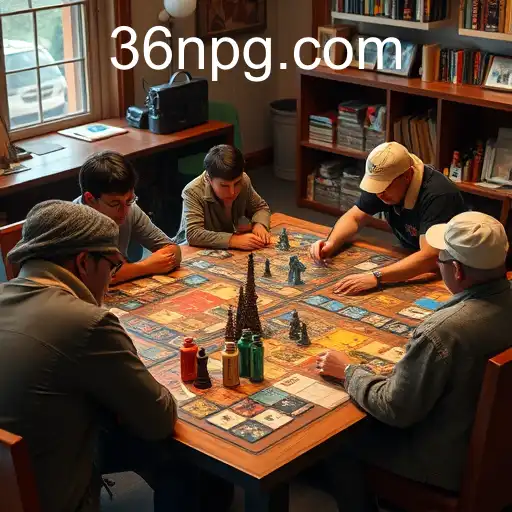

Tabletop games have been a staple of human entertainment for centuries, evolving from basic board games of ancient times to the complex, strategy-rich experiences that captivate millions today. The world of tabletop games offers a unique blend of creativity, strategy, and social interaction, providing a refreshing escape from our digital-heavy lives.
The tabletop gaming industry has experienced a renaissance in recent years, as more people rediscover the joys of face-to-face interaction. The rise of niche games, fueled by platforms like Kickstarter, has allowed independent designers to reach audiences that were previously inaccessible. This trend has resulted in an explosion of creativity and innovation, transforming the industry into a diverse ecosystem of ideas and themes.
The variety in tabletop games is staggering, ranging from classic war games to whimsical, storytelling adventures. The depth and complexity of games have increased, and players now enjoy a spectrum of experiences that cater to different preferences and ages. This diversity is not just about theme but also mechanics, with new games offering fresh takes on problem-solving, negotiation, and resource management.2005bet
One of the most appealing aspects of tabletop games is their ability to bring people together. In our fast-paced world, these games provide a chance to slow down and enjoy quality time with friends and family. Tabletop games encourage players to interact, communicate, and collaborate, fostering a sense of camaraderie that online games often struggle to replicate. This social component has been a significant factor in the enduring popularity of tabletop games.
At the heart of tabletop games are the dual elements of strategy and creativity. Players are often required to think several steps ahead, considering the potential moves of their opponents to outplay them. This strategic element is coupled with creativity, as players may need to invent narratives or come up with unique solutions to complex problems. The ability to blend these elements makes tabletop gaming a cognitively rewarding experience.
Strategy in tabletop games often involves decision-making processes that require players to analyze, anticipate, and adapt to ever-changing scenarios. Whether it's planning the conquest of a continent in a war game or navigating the political intrigues of a medieval court, the strategic demands of these games are vast and challenging. Players must be able to think critically and flexibly, often adapting their strategies on the fly.43y.com
The internet has played a considerable role in the growth of the tabletop gaming community. Online forums, social media groups, and dedicated websites, like 36n.com, connect players across the globe, allowing them to share experiences, strategies, and news about upcoming releases. These platforms have become essential for fostering discussion and development within the community and have helped propel the industry forward.carilpg.com
Moreover, conventions dedicated to tabletop gaming have become increasingly popular, attracting thousands of attendees eager to try out new games, meet their favorite designers, and compete in tournaments. Events such as Gen Con and Essen Spiel are just two examples of how significant the culture of tabletop gaming has become, offering spaces where enthusiasts can gather, explore, and indulge in their passion for games.
While tabletop gaming is inherently a low-tech pastime, technology has made surprising inroads into the industry. Augmented reality (AR) and applications designed to enhance the tabletop experience are bringing new levels of interactivity and immersion. Some games now incorporate digital components, such as apps that guide players through complex rules or add narrative depth, further enriching the gaming experience.71z.com
These technological advancements demonstrate a growing trend toward hybrid experiences that marry the tactile nature of tabletop games with the dynamic possibilities offered by digital tools. As developers continue to experiment with these possibilities, the line between tabletop and digital gaming will likely continue to blur, leading to even more innovative games that captivate diverse audiences.5161.com
The resurgence of tabletop games highlights their enduring appeal. Despite the digital age, the allure of sitting around a table and engaging in traditional gameplay remains strong. Tabletop games are unique in their ability to combine intellectual challenge with creative storytelling and social interaction, making them a valuable and cherished form of entertainment for all ages.
In conclusion, the world of tabletop games is vast, diverse, and continually evolving. As new designers bring their ideas to the table, the richness and complexity of these games will undoubtedly continue to grow, captivating a broad spectrum of players and ensuring that this form of entertainment thrives well into the future. Whether you're a seasoned strategist, a casual player, or someone seeking a new hobby, the world of tabletop games offers something for everyone, promising endless hours of immersive fun and challenge.

Explore the immersive world of VikingsMystery, a captivating game combining Norse mythology and strategic gameplay.

Discover the exciting universe of HotAngels, an exhilarating game that captivates players with its innovative mechanics and engaging narrative.

Explore the captivating world of IrishWeekendBonusBuy, a unique gaming experience intertwining traditional charm with modern innovation.

Discover the exciting world of FireHot100, a captivating game that combines strategy and excitement. Learn about its dynamics, features, and the unique gaming rules that make it a must-play. Delve into its rising popularity amid current global gaming trends.

Explore the captivating world of GoodFortuneM, a mesmerizing game that unravels the mysteries of luck and strategy.

SavetheHamster is taking the gaming world by storm. Dive into this comprehensive guide exploring the game's engaging mechanics, vibrant features, and captivating rules.
